
REVIEW · SIGHTSEEING BOAT TOURS
Yokosuka : Scenic Hidden Gem Hike and Naval Port Cruise
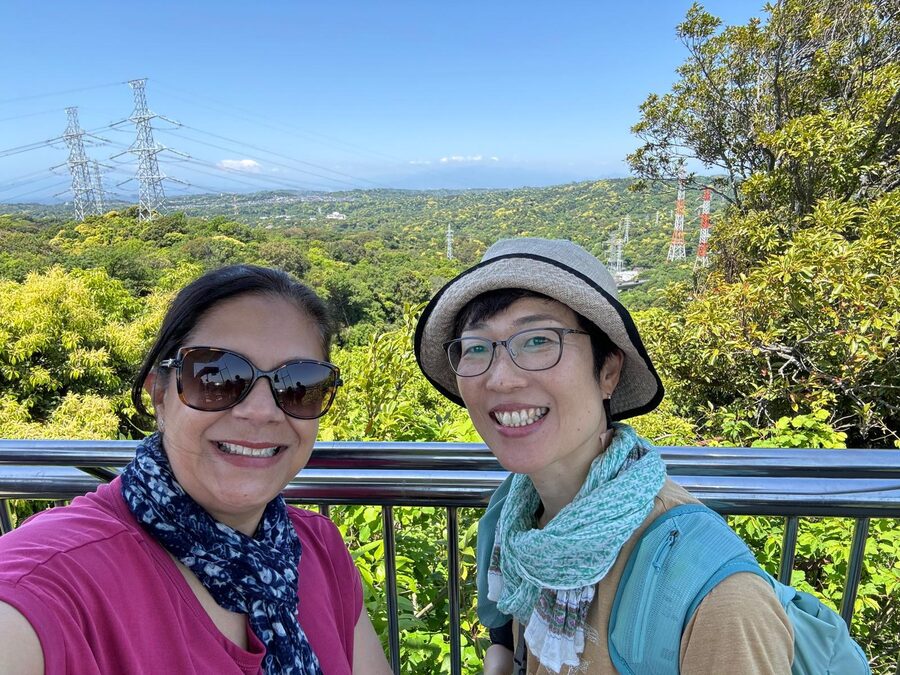
Yokosuka rewards curious walkers. This seven-hour outing pairs a quiet temple, Mount Takatori’s 360-degree views, and a close look at Japan and America’s naval vessels in port. I like the mix of nature and local history, and I like that guide Mayuko Tanabe keeps the group small, with no more than four people.
The walk is relaxed rather than rushed, and Mayuko takes photos as you go, so you can watch for flowers, birds, and old quarry walls instead of fussing with your camera. The main drawback is practical: this is not a flat city tour. Some rocky sections may test beginners, and the cruise can change or be canceled in poor weather.
Four things that make this Yokosuka day special
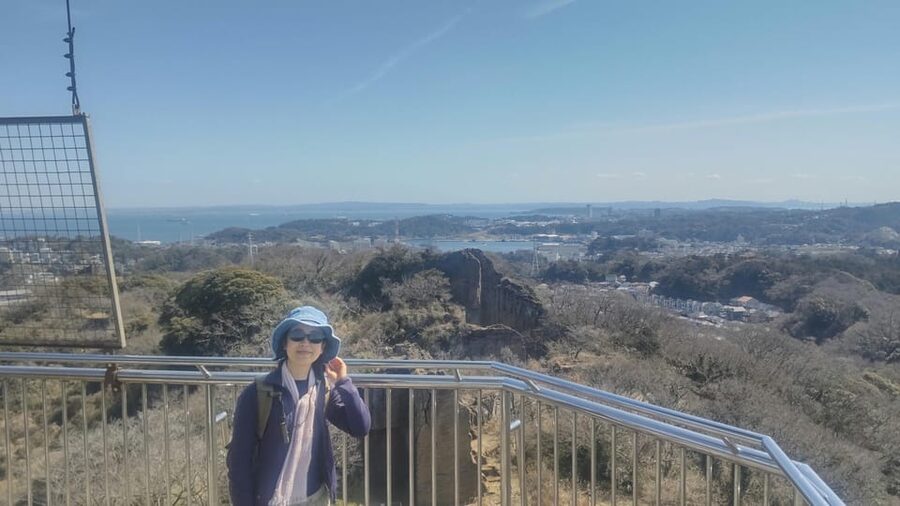
- A local route through Mount Takatori: You walk paths that reveal forest, wildflowers, birds, old quarry cuts, and a sacred mountain setting.
- A Buddha carved into rock: The Takatoriyama Buddha is not a freestanding statue. It is cut directly into the stone.
- Tea with a view: At the high point, Mayuko serves hot drinks and sweets during an outdoor break.
- A naval port from the water: The cruise passes close to Japanese and American ships and submarines, with explanations in English, Spanish, or Japanese.
- A useful small-group size: With a maximum of four people, the pace can be adjusted to suit the group.
- A day trip that starts and ends at different stations: You begin at Higashi-Zushi Station and finish near Shioiri Station, which makes the route feel like a real outing rather than a loop.
From Higashi-Zushi Station into quiet temple country
Your meeting point is the ticketing booth at JR Higashi-Zushi Station. Be careful here: it is not Zushi Station. Mayuko waits with a sign, making the start simple even if you are unfamiliar with the area.
The first walk takes about 15 minutes to Jinmuji Okunoin, a peaceful temple tucked into nature. This is a good opening stop because it eases you out of the city before the more active part of the day begins. Mayuko provides cultural and historical context, so the temple visit is more than a quick photo stop.
You spend about 20 minutes at the temple. That is enough time to look around without turning the morning into a long religious-site visit. The setting is especially appealing if you want a quieter side of Kanagawa, away from Tokyo’s crowded sightseeing circuit.
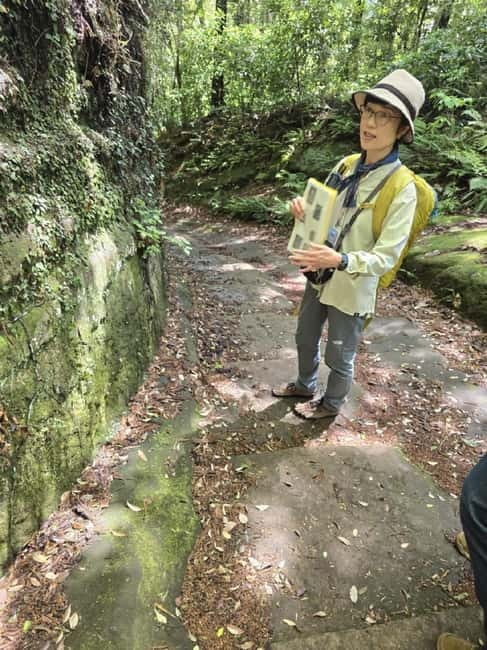
From the temple, you walk for roughly 30 minutes toward Mount Takatori. The pace is described as easy to moderate, but that label needs a little explanation. You do not need advanced hiking skills, yet some paths include small rocks and uneven ground. The route is manageable for people with some walking or hiking experience, while beginners may need to take their time.
Mayuko’s route-finding is one of the practical strengths here. You do not need to worry about choosing the wrong trail, and she adjusts the pace to the group. If you are not in top shape, say so early. One parent traveling with a son appreciated being able to slow down when needed, and that flexibility is important on a long day outdoors.
More Sightseeing Boat Tours in the world:
- City Cruises Boston Historic Sightseeing Harbor Cruise
★ 4.5 · 1,388 reviews - Savannah: Riverboat Narrated Harbor Sightseeing Cruise
★ 4.3 · 1,206 reviews - Hamburg: Hop-On Hop-Off Bus with Harbor Cruise
★ 4.6 · 930 reviews
Mount Takatori, quarry walls, and the rock-carved Buddha
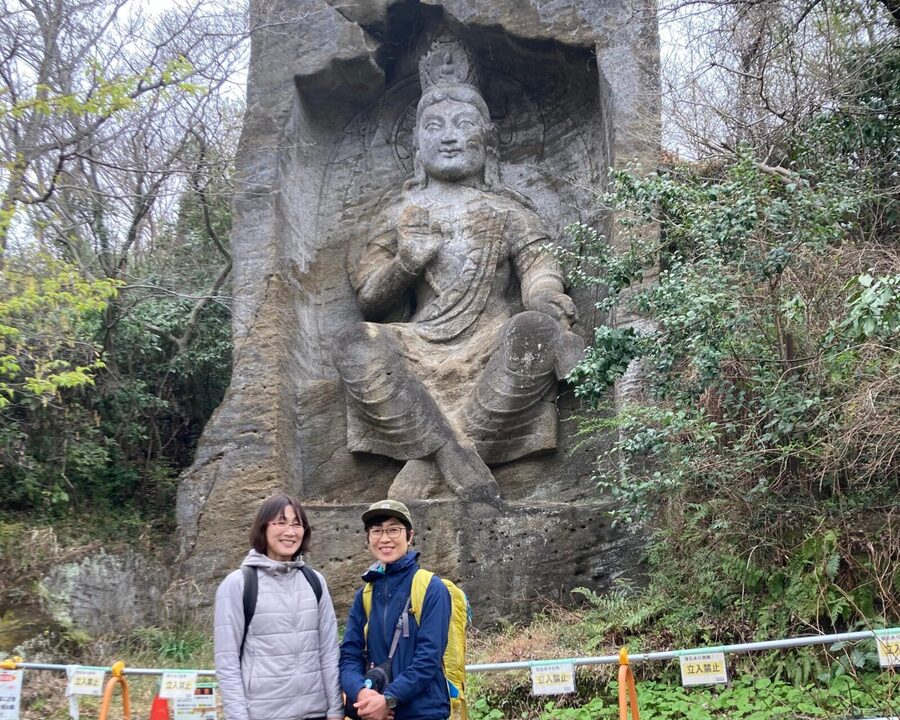
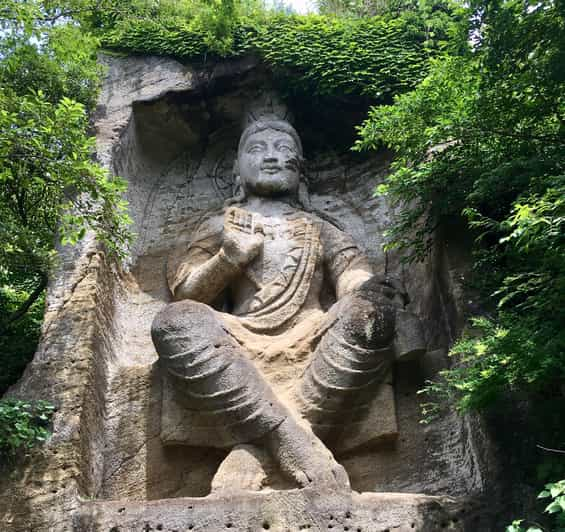
The Takatoriyama Buddha is one of the route’s most unusual sights. Rather than standing on a pedestal, the figure is carved into the rock. You get about 10 minutes for a guided visit and photographs, but the image stays with you because it belongs so completely to the mountain.
The area also carries a religious past. Mount Takatori was once used as a training place for monks, and women were not allowed to enter the mountain at that time. That detail gives the wooded path a stronger sense of place. You are not simply walking through trees. You are following a route shaped by religion, local custom, and later quarry work.
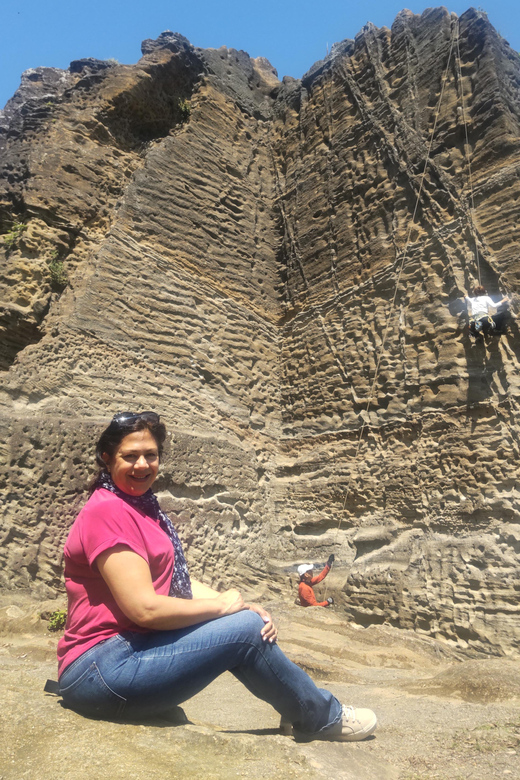
The old quarry is another memorable section. The rock was cut vertically and deeply, leaving dramatic stone faces. You can picture workers extracting stone here more than a century ago, although the tour keeps the focus on seeing the site rather than presenting it as a formal industrial museum.
The high point brings the day’s first major reward: a broad view over Yokosuka Port, Tokyo Bay, the surrounding mountains, and, on a clear day, Mount Fuji and the Izu Peninsula. The exact visibility depends on weather, so do not treat Fuji as guaranteed. Still, the outlook gives you a strong sense of the area’s geography. Yokosuka sits between mountain country and a strategically important harbor, and the view helps explain why the city developed as a naval center.
The viewpoint is also a fine place to pause. Mayuko prepares hot drinks and sweets for an outdoor tea break. It is a small touch, but it changes the mood from simply completing a climb to enjoying the mountain. The tour also brings in forest bathing, the Japanese practice of slowing down among trees and paying attention to natural sounds. You might notice birds, seasonal flowers, and the quiet of the woods more clearly once the guide points them out.
Wear sturdy walking shoes, preferably trekking shoes. Long pants or leggings are recommended to cover your legs. Bring your own drinks as well. Strollers and oversize luggage are not suitable for this route.
The short train ride and a proper lunch pause
After the mountain section, you take a train for about 15 minutes. This break matters. It gives your legs a rest before the harbor portion and shifts the setting from wooded hills to Yokosuka’s urban and maritime side.
The schedule allows about an hour for lunch, a food market visit, and regional food. Lunch and drinks are not included, so you should budget separately. The benefit is choice: you can spend the hour eating local specialties or browsing for something that suits your appetite.
You should not expect a long restaurant meal as part of the fixed price. This is a flexible stop, and the final details can depend on the day and the group. If you have dietary needs, ask Mayuko in advance so the schedule can be discussed before the tour.
Yokosuka is a useful place to learn how Japanese, American, and French connections shaped the modern port. The city’s position helped it play an important role in Japan’s modernization after the Meiji Restoration. That background gives the later cruise more meaning. You are not just looking at ships in a harbor. You are seeing a port whose location has mattered to Japan’s military and international story for generations.
Yokosuka’s naval harbor from the cruise deck
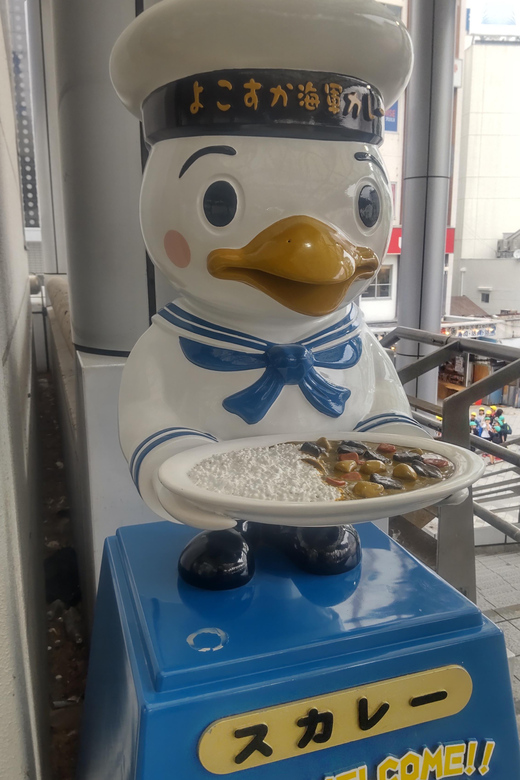
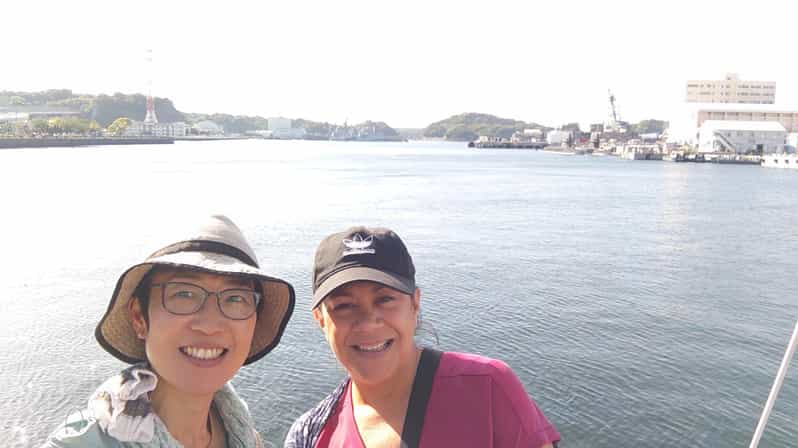
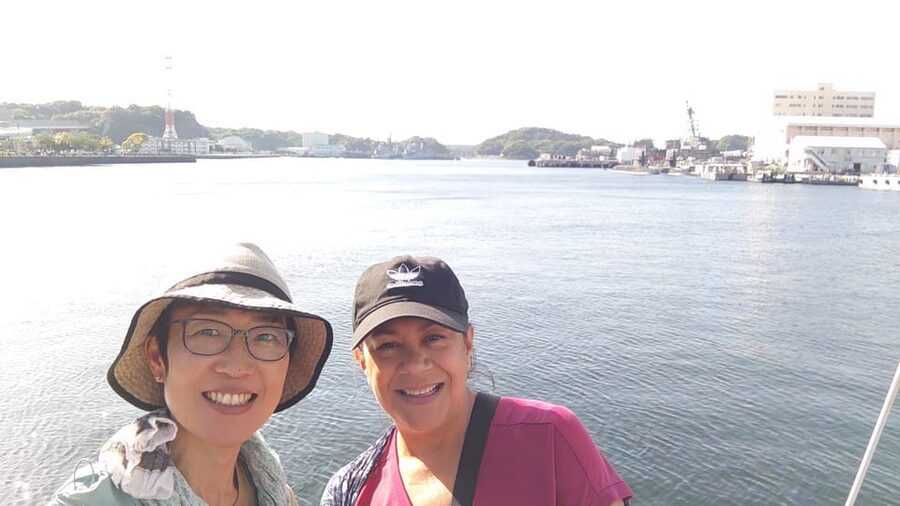
The final major activity is the naval port cruise from Gunko Meguri Shioiri Sanbashi Bridge. The boat portion lasts about 40 minutes and includes sightseeing, photographs, and guided commentary.
This is the strongest match for anyone interested in ships, military history, or working ports. The route takes you close to Japanese and US naval vessels, including submarines and large ships. You see the port from the water instead of from a distant waterfront viewpoint, which gives the harbor a more immediate feel.
Mayuko brings reference material about the vessels and can translate the cruise information into English. That is valuable because the standard harbor commentary may not always be available in a language you understand. English, Spanish, and Japanese are supported for the private guiding portion.
The boat ride is not a long scenic cruise. It is a focused harbor visit, and the appeal comes from the ships, the naval setting, and the explanations. If you are prone to seasickness, this outing is not recommended. The cruise is also subject to weather conditions, so it may be changed or canceled in rain or extreme weather.
After the cruise, you walk about 15 minutes to Shioiri Station, where the tour ends. The route does not return you to Higashi-Zushi. That one-way design works well for a day trip, but it means you should plan your onward journey from Shioiri rather than assuming you will finish where you started.
A few more boat trips around the world worth a look
- St Lucia Billy Goat Trail Hike in Marigot Bay Cruise Passengers
★ 5.0 · 2 reviews
What Mayuko adds to the day
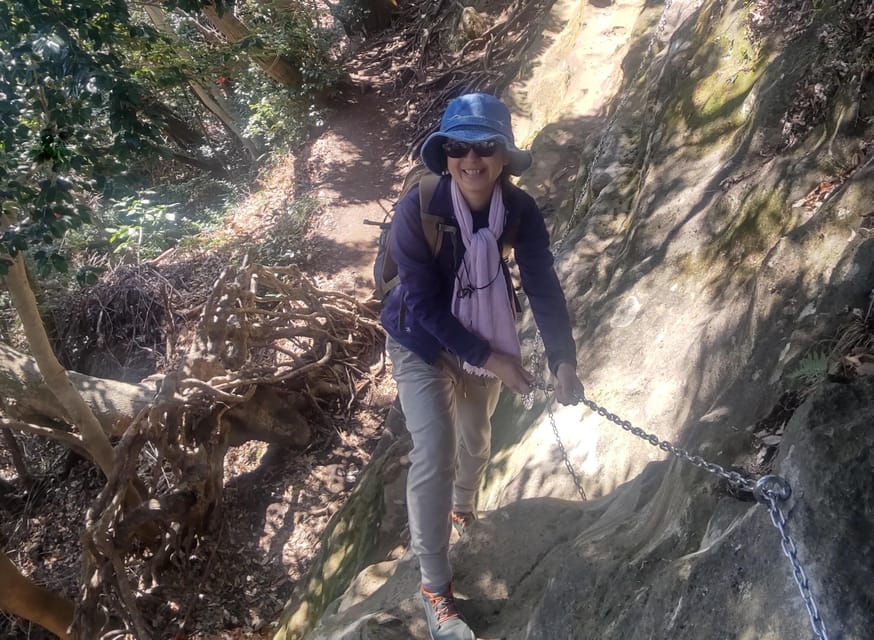
A good guide matters more on a small mountain route than on a standard sightseeing bus. Mayuko is a nationally licensed guide who is based in Kanagawa and has a personal connection to Yokosuka. Her local knowledge shows in the route choices and in the small details she points out.
She has experience with both trekking and the area’s past. That combination helps the day avoid two common problems: a hike with no context, or a history tour with too much standing around. You get flowers, birds, rock walls, temples, harbor facts, and local stories in one continuous outing.
Her photography is another useful service. Mayuko takes pictures along the route, including at the viewpoints, so you can concentrate on walking and watching the scenery. This is especially helpful if you are traveling alone or do not want to keep asking strangers to take photos.
The small-group limit of four also changes the feel of the tour. You can ask questions, request a slower pace, or discuss changing the schedule. The starting and finishing points are different, and the guide invites questions about arranging the timing, so communication is worthwhile.
Who should book this experience?
I would choose this tour if you have already seen Tokyo’s main sights and want a day with more movement and local character. It suits people who enjoy an easy-to-moderate walk, scenic viewpoints, Japanese religious sites, and ships.
It is also a strong choice for families with older children who can handle uneven trails, couples wanting a quieter day outside Tokyo, and solo visitors who want a guide for both the woods and the harbor. The small group makes it easier to meet your guide and ask about Yokosuka’s history.
I would think twice if you need fully accessible paths, use a wheelchair, have a heart condition, or dislike boats. The tour is specifically not suitable for people with mobility impairments, wheelchair users, or those prone to seasickness. It is also a poor fit if you want a slow museum day with no physical effort.
Is the $63 price good value?
At $63 per person, the price is fair for a seven-hour guided day, especially because it combines two activities that are often booked separately. The fee includes a nationally licensed English or Spanish-speaking guide, the naval port cruise ticket, and photos taken during the tour.
You still pay for your own transportation, lunch, and drinks. The local transportation cost listed is ¥230 per person, and the cruise ticket has a value of ¥2,200 for an adult or ¥1,100 for a child. Once those inclusions are considered, the price is not simply paying for a walk. You are paying for route planning, language help, history, safety on the trail, and a harbor visit that can be difficult to arrange on your own.
The schedule is described as approximately six hours in the detailed route, while the activity duration is listed as seven hours. Allow for the longer figure when planning your day. The extra time may be used by walking speed, the lunch stop, transfers, and weather or harbor conditions.
Free cancellation and date changes are available up to 24 hours before the start time, subject to availability. If you cancel later, the full refund does not apply. Since rain and extreme weather can cancel the tour, keep your wider plans flexible.
Final call: book it for variety, not for a soft stroll
Book this Yokosuka experience if you want a day that connects forest paths, temple culture, carved stone, mountain views, local food, and a naval harbor. Mayuko’s calm pacing, local route knowledge, tea break, photographs, and ship commentary give the outing more substance than a basic hike followed by a boat ride.
Do not book it expecting a completely effortless walk or guaranteed views of Fuji. Bring proper shoes, wear long pants, carry water, and accept that the cruise depends on the weather. For active visitors who want to see a less familiar side of the Tokyo region, this is a well-priced and unusually varied day.
FAQ
Where does the tour begin?
It begins at the ticketing booth of JR Higashi-Zushi Station. The meeting point is Higashi-Zushi, not Zushi Station. The guide waits with a sign board.
Where does the tour finish?
The tour ends near Shioiri Station after a 15-minute walk from the naval port cruise area.
How long does the experience last?
The activity is listed as seven hours. The detailed route describes approximately six hours, so you should allow a full day and plan around the longer duration.
How difficult is the hike?
The walk is generally easy to moderate. Some sections include small rocks and may feel challenging for beginners. The guide keeps a relaxed pace and can adjust it for the group.
What should I bring?
Bring drinks and hiking shoes. Trekking shoes are preferred, and long pants or leggings are recommended to cover your legs.
Is lunch included?
No. Lunch and drinks are not included. The schedule provides about one hour for lunch, a food market visit, and regional food.
Can the naval cruise be canceled?
Yes. The cruise may be changed because of weather, and the entire tour can be canceled in rain or extreme weather.
Just added around the world
- Wismar: Harbor Cruise with Sea Animal Fishing and Guide★ 4.6 · 22 reviews
- Yokosuka: Boat Trip to an Uninhabited Island★ 5.0 · 16 reviews
- Vancouver: North Shore Food Tour with Harbour ride★ 4.3 · 2 reviews
- Victoria: Kayak Harbour Tour★ 4.8 · 8 reviews
- Wednesday Regatta with harbour tour★ 4.8 · 8 reviews
- Wellington 90 minute Harbour Cruise★ 5.0 · 6 reviews
- Valletta: 3 Cities Guided Tour & Grand Harbour Boat Tour★ 4.8 · 15 reviews
- ULLAPOOL PORT Cruise Ship Tour, Ardvreck Castle, Rocks & More★ 5.0 · 5 reviews
Sightseeing Boat Tours, compared.
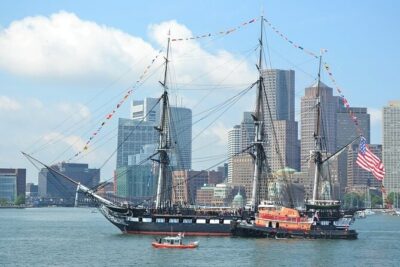
City Cruises Boston Historic Sightseeing Harbor Cruise
Read our review →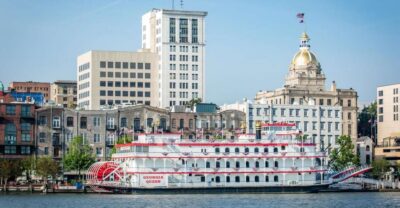
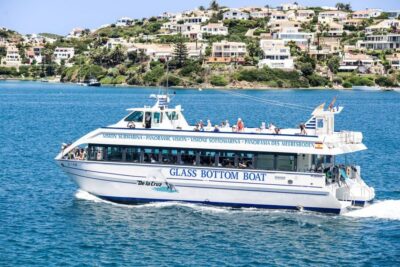
Harbor Boat Tour with Underwater Viewing & Commentary
Read our review →
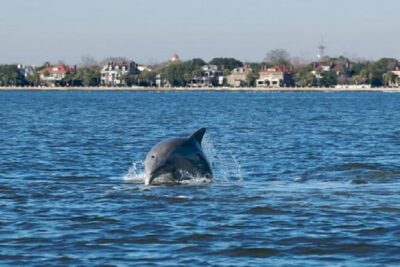
Afternoon Schooner Sightseeing Dolphin Cruise on Charleston Harbor
Read our review →
Browse the lists this tour appears in