
REVIEW · CHARLESTON HARBOR CRUISES
Harbor History Tour Aboard the Palmetto
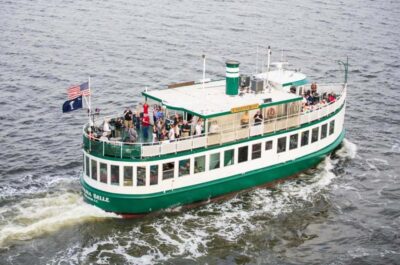
Charleston tells its story best from the water. The Harbor History Tour aboard the Palmetto gives you clear views of Fort Sumter, the Battery, the USS Yorktown, and the Ravenel Bridge while an in-person guide connects them to pirates, battles, shipwrecks, and plantation days. I like the fresh viewpoint on familiar Charleston sights, and I like that the boat ride mixes major landmarks with lively storytelling. The main consideration is weather: this is an open-water outing, and a canceled departure can affect your plans.
I also like the reasonable $45 price for roughly two hours on the harbor. The tour returns to its starting point, accepts mobile tickets, and carries no more than 49 people, a size that should let you see and hear more easily than you would on a huge sightseeing boat. Bring your own water or snack, since neither refreshments nor alcoholic drinks are included.
Key points to know before boarding
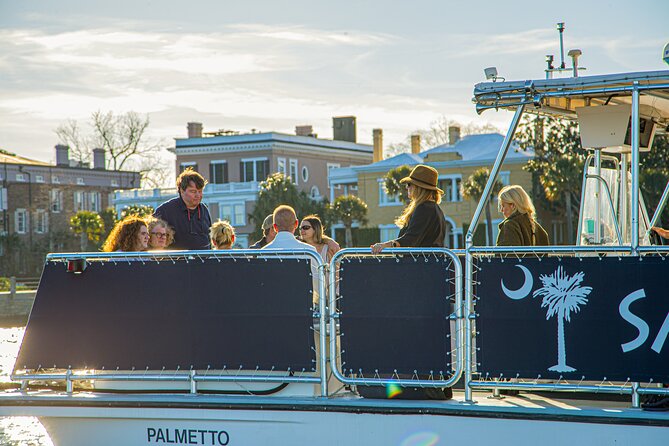
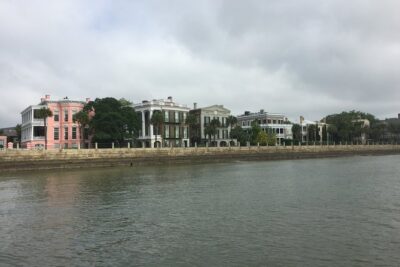
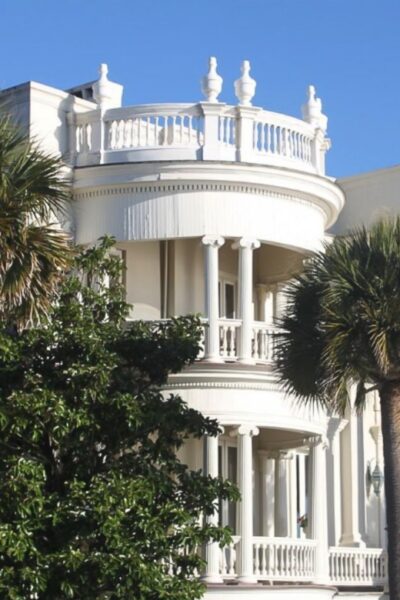
- Charleston’s Battery looks different from the harbor: You get a broad view of the stately homes and the waterfront where General Beauregard observed the first Civil War shot in 1861.
- Fort Sumter is one of the main sights: The boat gives you a water-level look at the fort and the harbor approaches tied to Charleston’s military past.
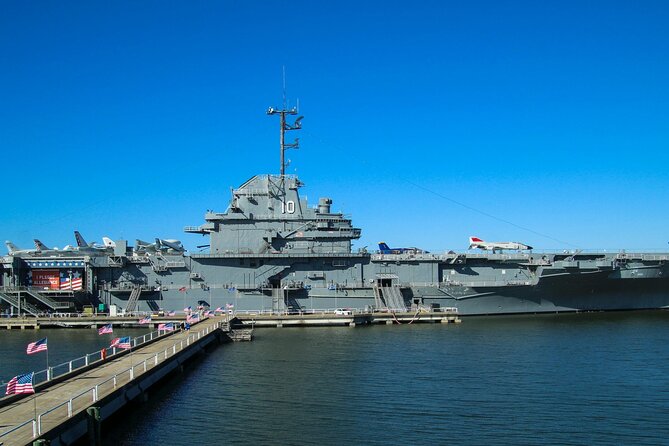
- The USS Yorktown adds a powerful naval stop: You pass the World War II aircraft carrier, one of 24 Essex-class carriers built for the US Navy.
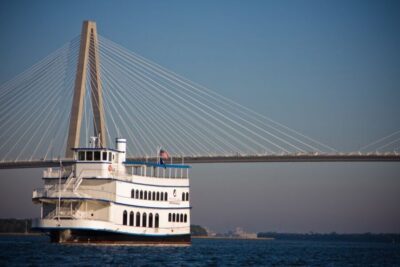
- The Ravenel Bridge passage is part of the fun: The boat passes beneath the long cable-stayed bridge, giving you a close look at its massive structure.
- The guide matters here: Ed Macy is praised for combining strong local knowledge with humor, while Captain Mike is also singled out for making the ride enjoyable.
- Plan for a two-hour block: The advertised duration is approximately two hours, though one account describes learning a great deal in about 90 minutes.
Why Charleston’s harbor is the right classroom
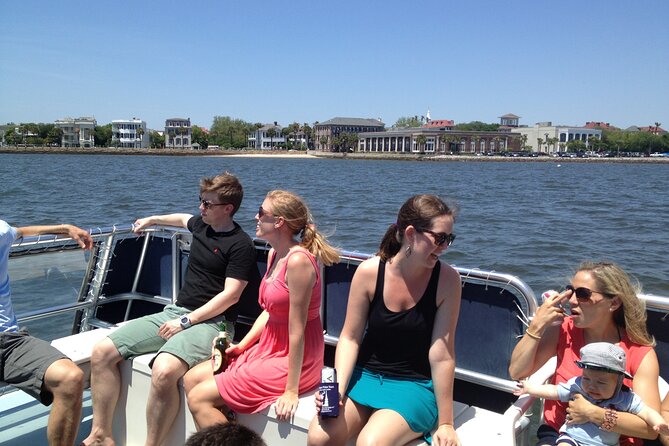
Charleston’s streets tell one part of the story. The harbor explains why the city grew where it did, how armies approached it, and why forts, batteries, bridges, islands, and ships still shape the view.
From the water, you can look back at the city rather than simply walk past individual buildings. That wider angle helps you see the Battery as a defensive waterfront, not only a row of handsome homes. It also puts Charleston’s major landmarks into one connected setting.
The guide adds the human layer. You can expect stories of pirates, shipwrecks, plantation days, and military conflict as the boat moves between sights. That mix should appeal to you if you like history with a sense of place rather than a list of dates.
The ride is also useful early in a Charleston visit. You get a quick sense of the harbor, the islands, the bridges, and the city’s position on the water. Afterward, buildings and forts you see on foot will have a clearer connection to the larger story.
More History Tours in Charleston:
- Charleston: Daytime or Sunset Historic Harbor Cruise
★ 4.5 · 1,352 reviews - Charleston: Historic City Tour and Harbor Cruise
★ 4.5 · 260 reviews - Charleston: Haunted History Harbor Cruise
★ 4.2 · 22 reviews
Starting at the Charleston Maritime Center
The tour begins at the Charleston Maritime Center, at 10 Wharfside Street. That location keeps the experience focused on the harbor from the start, rather than requiring a separate transfer to a distant marina.
Your mobile ticket is accepted, and confirmation is provided when you book. The tour ends back at the same meeting point, which makes it easier to fit into a day of sightseeing. You will not need to arrange a second ride from another part of the waterfront.
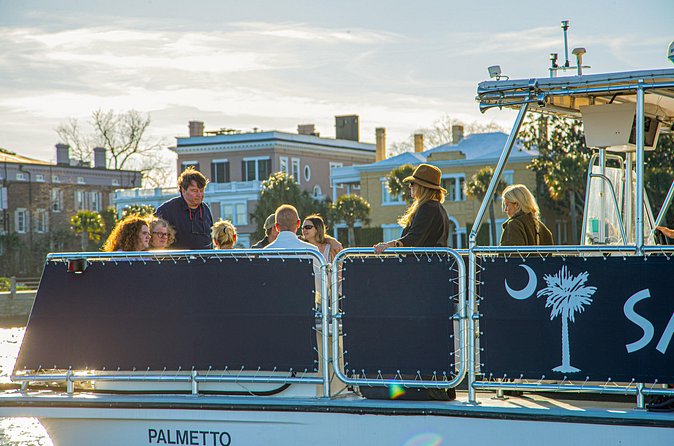
The boat carries a maximum of 49 people. That is not an intimate private cruise, but it is also not a giant crowd. I see this as a practical middle ground: enough people for a lively outing, yet a reasonable chance of hearing the guide and getting a clear view over the rail.
Allow the full advertised two hours in your schedule. One published account refers to a 90-minute experience, while the tour information lists approximately two hours. Timing can vary, so I would avoid booking a tightly timed meal, museum entry, or transport immediately afterward.
Seeing the Battery from the harbor
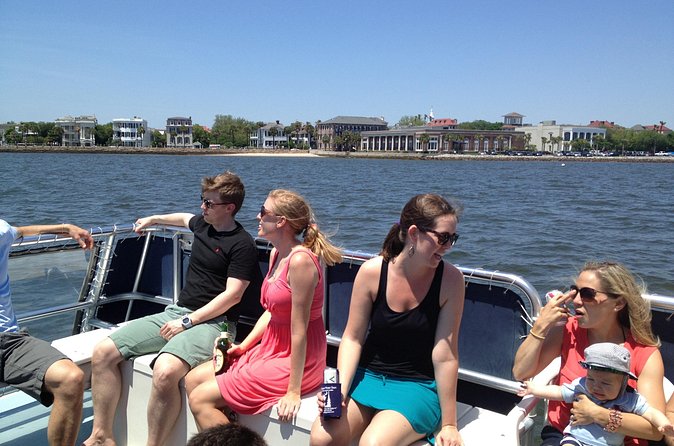
The Battery is one of Charleston’s most familiar sights, yet the water changes your view of it. From the boat, you can see the stately homes as a continuous waterfront scene, with the harbor stretching in front of them.
This perspective also gives the Battery its military context. In 1861, General Beauregard observed the first shot of the Civil War from the area. Seeing the waterfront from the same broad direction helps you understand why the location mattered during the conflict.
You are not simply looking at architecture here. The guide’s stories are meant to connect the homes, shoreline, and harbor activity to Charleston’s past. That can make this section especially useful if you have already walked the Battery and want something more than another land-based view.
The drawback is that a boat cannot give you the same close look at individual homes that you get on foot. You will see the larger composition better than the small details. I would treat this as a companion to a Battery walk, not a replacement for one.
Fort Sumter and the harbor’s battle routes
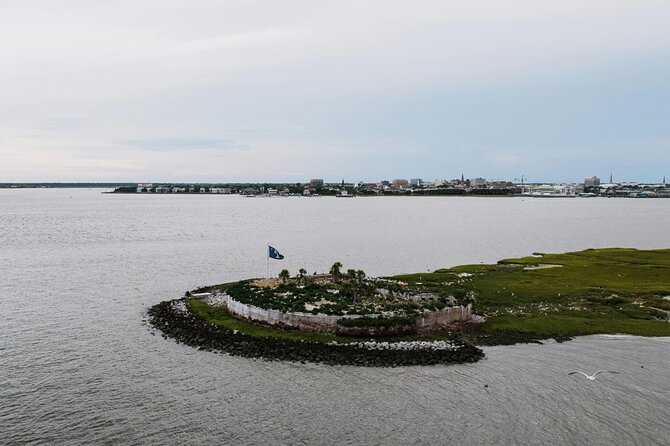
Fort Sumter is among the most important sights on the route. Its position in the harbor makes it easy to understand as a defensive post, and the approach from the water reinforces how central the harbor was to Charleston’s military story.
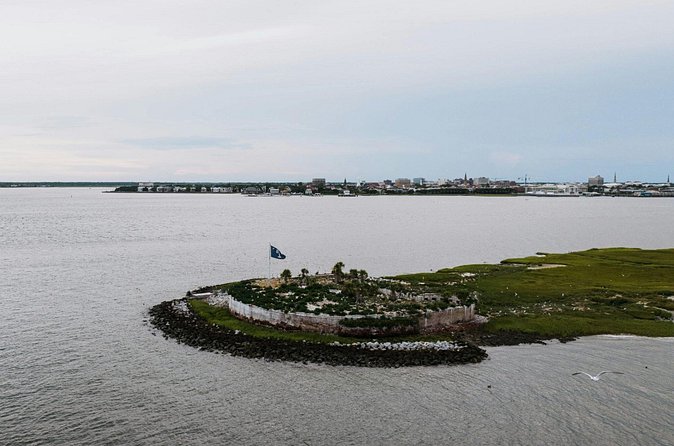
The tour also includes Castle Pinckney and Fort Moultrie among the historic locations visible from the water. Together, these forts show that Charleston’s defenses were spread across the harbor and its entrances, not concentrated at one single point.
The value here is scale. On land, a fort can feel like an isolated attraction. From the boat, you can see how the defensive sites related to open water, channels, islands, and the city itself. The guide’s explanation helps turn separate landmarks into one connected route.
The tour does not list a stop for a land visit at these forts. Plan on viewing them from the boat rather than exploring their interiors. If your main goal is to walk through a fort, you will need a separate activity. If your goal is to understand Charleston’s harbor defenses while moving through the setting, this format works well.
A few more boat trips around Charleston worth a look
- Charleston Harbor Sunset Cruise
★ 5.0 · 905 reviews - Charleston: Luxury Harbor Dinner Cruise
★ 4.3 · 786 reviews - Charleston: Sightseeing Harbor Tour & Dolphin Watch
★ 4.5 · 649 reviews - Afternoon Schooner Sightseeing Dolphin Cruise on Charleston Harbor
★ 4.5 · 620 reviews
Passing the USS Yorktown
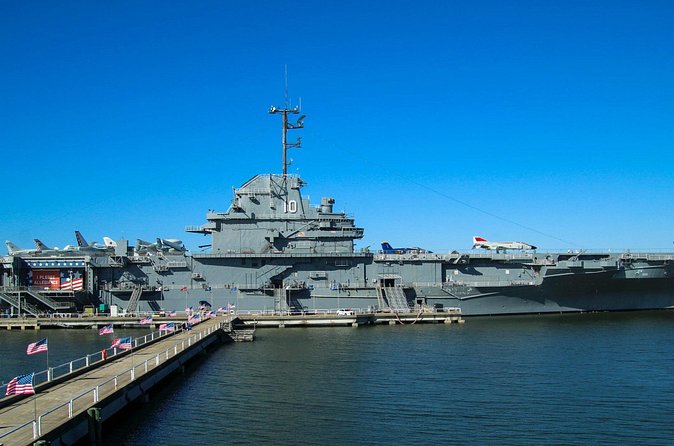
The USS Yorktown brings a different chapter to the trip. This aircraft carrier was one of 24 Essex-class carriers built during World War II for the United States Navy.
Passing it from the water gives you a strong sense of its size and naval role. The carrier is not just another Charleston landmark. It links the harbor to the wider story of American naval power and World War II.
This is one of the better moments for visitors who enjoy ships and engineering. You see the vessel from an angle that differs from a museum visit, with the water helping you judge its scale. The tour passes by the Yorktown rather than presenting it as a full onboard museum visit, so you should plan another visit if you want to explore the carrier inside.
The combination of historic forts and the Yorktown also gives the ride a useful time range. Charleston’s story moves from colonial defenses and Civil War battles to modern naval history within a single harbor outing.
Under the Arthur Ravenel Bridge
Passing beneath the Arthur Ravenel Bridge is a physical highlight of the route. The bridge is described as the longest cable-stayed bridge in North America, and the view from below lets you appreciate its span, cables, and support structure in a way that a car crossing cannot.
The bridge was designed to withstand shipping accidents and the natural disasters that have affected Charleston. That detail adds a practical engineering note to the sightseeing. You are not only looking up at a dramatic structure; you are hearing why it was built to handle the demands of this setting.
This part of the ride should work well for children and adults alike because it is easy to grasp. The boat moves beneath a major city structure, giving you an obvious change in scale and perspective. It also breaks up the fort and military sections with something modern.
Keep your eyes ready as the boat approaches the bridge. The best view may not last long, and your angle will change as the vessel passes underneath. The exact viewing experience will depend on the boat’s movement, weather, and where you are seated.
Lighthouses, islands, and the outer harbor
The route includes views of the Morris Island and Sullivan’s Island lighthouses. Fort Moultrie and the surrounding island setting add another layer to the harbor story, showing how Charleston’s defense and navigation depended on more than the downtown waterfront.
Lighthouses are easy to appreciate from the water because their purpose becomes obvious. They mark the edges and approaches of the harbor, linking navigation with the city’s maritime past. You get a sense of how ships approaching Charleston would have read the coastline.
The tour information also names Castle Pinckney and other historic locations among the sights. Since these are viewed from the boat, the guide’s narration is important. A good explanation can help you remember which site is which, particularly when several landmarks appear in the same stretch of water.
You may find the outer-harbor portion more exposed to wind and changing conditions than the views near downtown. That is another reason to check the weather and bring a light layer. The operator requires suitable weather and offers a different date or a full refund if poor conditions force a cancellation.
The guides and the tone of the ride
The guide can make or break a history tour, and this experience receives especially strong praise for its human touch. Ed Macy is identified as the history guide, and one account describes him as both extremely well informed and very funny. Captain Mike is also praised for his part in the outing.
One family brought an 11-year-old granddaughter, who enjoyed talking with the guide as a local. That detail matters if you are traveling with children. The stories appear to be presented in a conversational way rather than as a formal lecture, which can help younger passengers stay interested.
The tour is not limited to military facts. Pirates, shipwrecks, plantation days, famous buildings, bridges, and naval vessels all enter the story. That range gives you several ways into Charleston’s past, even if military history is not your main interest.
At the same time, the experience depends on the guide’s delivery. A boat tour moves at a fixed pace, and you cannot linger at a sight that catches your attention. If you prefer silent sightseeing or a self-guided schedule, this may feel less flexible. If you enjoy a guide who can tell stories while the scenery changes, it is a better match.
Is $45 a fair price?
At $45 per person, the tour sits in a reasonable range for a roughly two-hour guided harbor outing. Your fare covers all fees and taxes and includes an in-person guide. You are paying for the boat ride, the route, the narration, and the broad collection of waterfront sights rather than for admission to several separate attractions.
The value is strongest if you would otherwise pay for multiple sightseeing stops. In one ride, you can see Fort Sumter, Castle Pinckney, the USS Yorktown, Fort Moultrie, the lighthouses, the Battery, and the Ravenel Bridge. You do not enter all these sites, but you do gain context and a useful overview.
The price is less attractive if you mainly want a short boat ride with no commentary, since the history narration is a central part of the experience. It is also important to budget for your own drinks and snacks. Bottled water, soda, alcohol, and snacks are not included.
For a first visit, I think the fee makes sense as a way to organize Charleston’s harbor story in one outing. For a return visit, the value depends on how much of the city you have already seen from the water. One regular Charleston visitor found the viewpoint different enough to recommend returning for more tours, which is a good sign for repeat visits.
Who should book this Charleston boat tour?
I would recommend it to you if you want a broad introduction to Charleston’s waterfront, enjoy local stories, or prefer seeing major landmarks without walking between them. Families can also benefit from the changing scenery and the guide’s conversational approach.
History fans will find plenty to follow, from the first Civil War shot and harbor forts to the USS Yorktown. Architecture fans get an unusual view of the Battery. Bridge and ship enthusiasts have two clear visual highlights in the Ravenel Bridge and Yorktown.
You should think twice if you need a guaranteed departure in poor weather, want to explore forts or the aircraft carrier inside, or prefer a very quiet cruise. The trip requires good weather, and the itinerary is built around passing sights from the boat.
Service animals are allowed, and most people can participate. The operator also requires a minimum number of participants, so a cancellation is possible if that number is not met. In either that case or a weather cancellation, you are offered another date or experience, or a full refund.
Booking, cancellation, and simple planning tips
You can cancel for a full refund if you do so at least 24 hours before the start time. Changes or cancellations made less than 24 hours ahead are not accepted and are not refunded.
I would keep the day flexible around the departure. Weather can affect the harbor, and the published duration is approximate. Wear something suitable for time on the water, and bring water or a snack because refreshments are not included.
The mobile ticket is convenient, especially if you are fitting the ride into a busy Charleston day. Since the tour begins and ends at the Charleston Maritime Center, it is also easy to pair with other downtown plans, provided you leave enough time before and after the boat ride.
My recommendation
I would book the Harbor History Tour aboard the Palmetto if you want Charleston’s major waterfront sights explained in one well-paced outing. The Battery views, Fort Sumter, USS Yorktown, lighthouses, and Ravenel Bridge give you plenty to see, while Ed Macy and the captains add the personality that makes the history easier to remember.
The strongest reason to choose it is the viewpoint. Even someone who knows Charleston well can see the city differently from the harbor. Just remember that you are viewing most landmarks from the boat, not touring them on land, and allow for weather changes. At $45, it is a sensible choice for a first visit, a family outing, or a return trip when you want a fresh angle on a familiar city.
FAQ
How much does the Harbor History Tour aboard the Palmetto cost?
The tour costs $45 per person.
How long does the tour last?
The listed duration is approximately two hours. One account describes learning a great deal during a 90-minute ride, so allow a full two-hour block.
Where does the tour begin?
It begins at the Charleston Maritime Center, 10 Wharfside Street, Charleston, South Carolina 29401.
Where does the tour end?
The activity ends back at the Charleston Maritime Center, the same place where it begins.
Is a mobile ticket available?
Yes. The experience supports mobile tickets.
What is included in the price?
All fees and taxes are included, along with an in-person guide.
Are food and drinks included?
No. Snacks, alcoholic beverages, soda, and bottled water are not included.
Which sights can you see from the boat?
The route includes views of Fort Sumter, Castle Pinckney, the USS Yorktown, Fort Moultrie, the Morris Island and Sullivan’s Island lighthouses, the Arthur Ravenel Bridge, and the homes along the Battery.
How many people can join the tour?
The maximum group size is 49 travelers.
What happens if the tour is canceled because of weather?
If poor weather causes a cancellation, you are offered a different date or a full refund. The same options apply if the minimum number of participants is not reached.
Can I cancel my booking for a refund?
Yes. You can receive a full refund if you cancel at least 24 hours before the experience starts. Cancellations made less than 24 hours before the start time are not refunded.
Just added around Charleston
- Morning Charleston Harbor Sail Lux Catamaran Shade and Seating★ 3.5 · 3 reviews
- Charleston Harbor Sunset Cruise Scenic Views and Dolphin Spotting★ 5.0 · 2 reviews
- Afternoon Charleston Historic Harbor Sail – Lux Catamatan★ 4.5 · 6 reviews
- Private Charleston Harbor Catamaran Sail★ 5.0 · 28 reviews
- Private Sunset Boat Tour of Charleston Harbor★ 5.0 · 6 reviews
- Private Afternoon Harbor Cruise on Kismet for parties up to 20★ 5.0 · 26 reviews
- Private Sunset Harbor Tour 20 passenger party Yacht Kismet★ 5.0 · 6 reviews
- White point Battery and River Run through Charleston Harbor Boat★ 5.0 · 9 reviews
Charleston Harbor Cruises, compared.


Afternoon Schooner Sightseeing Dolphin Cruise on Charleston Harbor
Read our review →
Narrated Haunted Ghost Cruise of Charleston Harbor
Read our review →
Browse the lists this tour appears in